The Full Table Initiative
A Community Effort to Strengthen Food Access in Kent County
Pull Up a Chair.
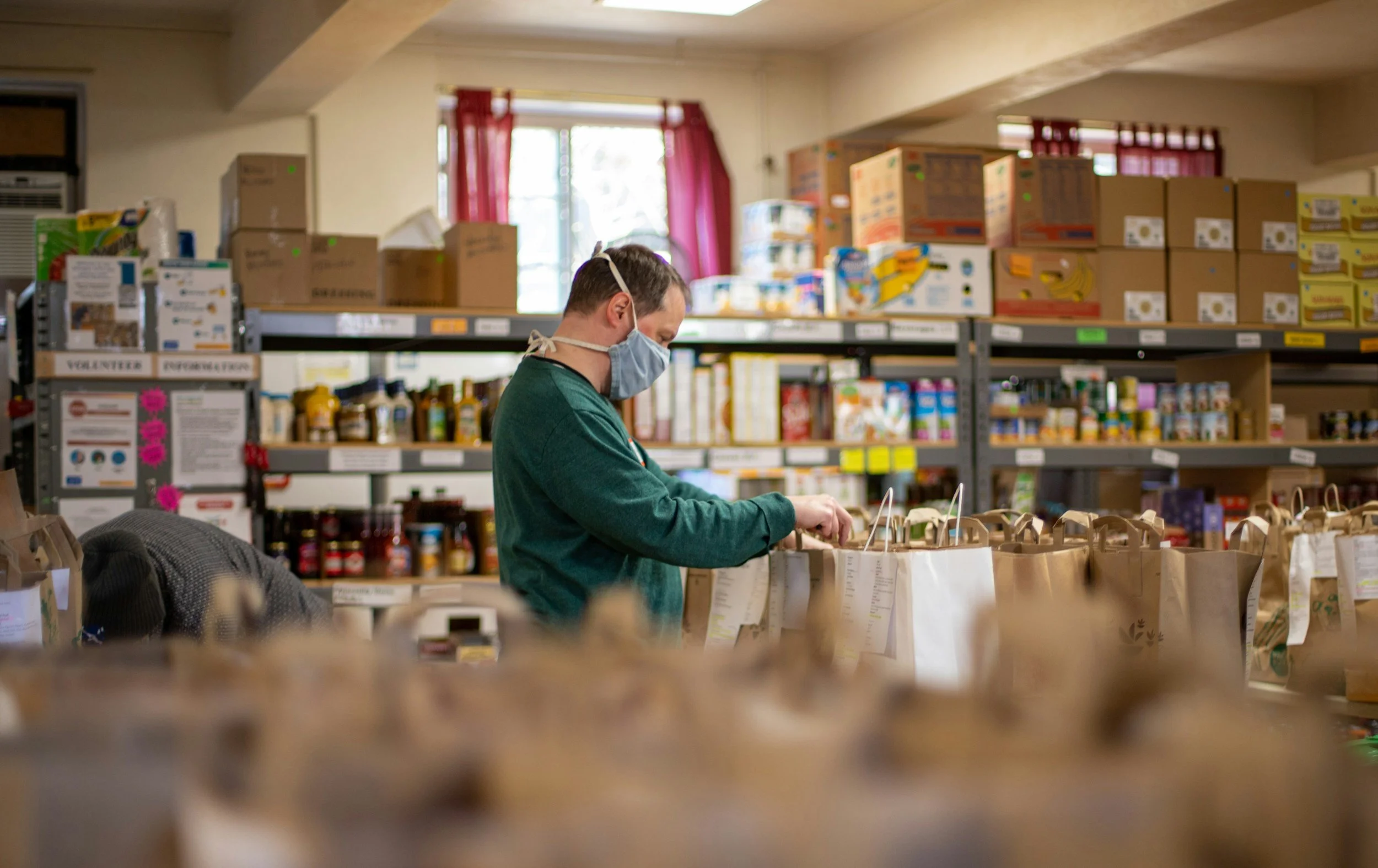
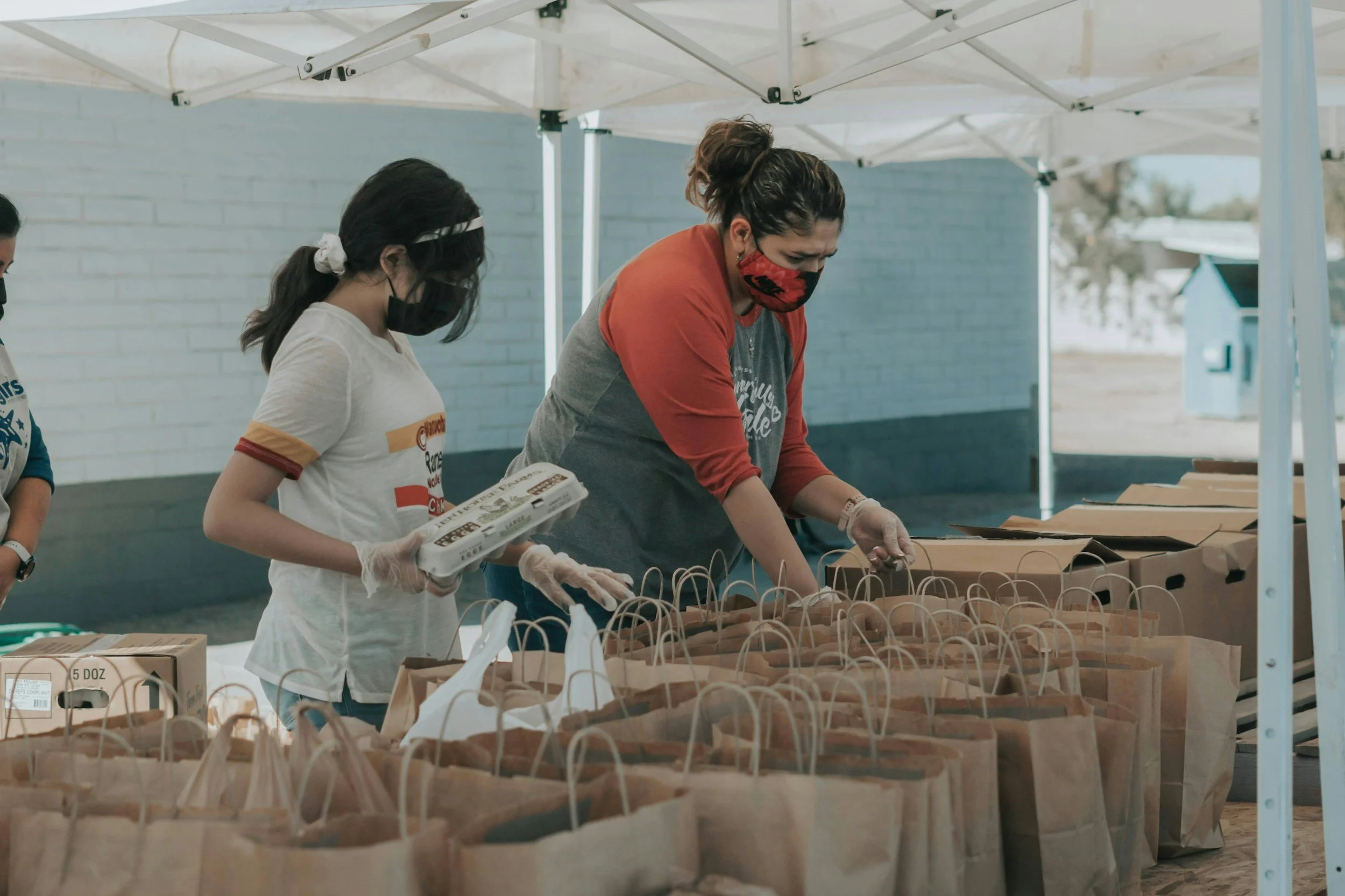
In Kent County, food access is supported by a network of dedicated organizations, volunteers, churches, farmers, and community partners. Every week, food pantries open their doors, volunteers deliver groceries to neighbors, and meal programs ensure that families and seniors have something to eat.
These efforts reflect the generosity and commitment of our community. Yet like many rural areas, Kent County still faces challenges that make consistent food access difficult for some residents. Transportation barriers, limited cold storage, volunteer shortages, and rising food costs all affect how food moves through the community.
The Full Table Initiative was created to bring these efforts together, strengthen the systems behind them, and help ensure that everyone in Kent County has reliable access to nutritious food.
Led by the United Way of Kent County, the Full Table Initiative is a three-year collaborative effort focused on understanding the county’s food access landscape and building stronger coordination among the organizations working to address food insecurity.
At its core, the initiative is based on a simple idea: everyone has a role at the table.
Some people bring food to the table.
Some organize the table.
Some ensure neighbors know where the table is.
And some simply need a seat.
The Full Table Initiative seeks to ensure that the table is large enough, and strong enough, for everyone.
Why This Work Matters
Food insecurity often exists quietly within communities. It may affect a senior on a fixed income, a family navigating rising grocery costs, a rural resident with limited transportation, or someone experiencing a temporary financial setback.
In Kent County, geography can also play a role. Residents living farther from town centers may face longer travel times to grocery stores or food distribution sites. Small nonprofit programs often operate with limited storage space, minimal staffing, and volunteer teams that are already stretched thin.
Despite these challenges, Kent County benefits from a remarkable network of organizations working every day to help neighbors access food. What has been missing is a way to look at the entire system together, to understand how all of these efforts connect, where gaps may exist, and how resources can be better aligned.
The Full Table Initiative provides a structure for doing exactly that.
A Collaborative Approach
The initiative is not a program that delivers food directly. Instead, it focuses on strengthening the system of organizations that provide food access across the county.
Through collaboration and shared learning, participating agencies will work together to better understand the food access landscape and explore ways to improve it.
This includes looking at questions such as:
Where are food access gaps in different parts of the county?
Which populations may still face barriers to receiving assistance?
What infrastructure challenges exist, such as refrigeration, storage, or transportation?
Are there areas where services unintentionally overlap or where coordination could improve efficiency?
How can organizations work together to pursue funding or share resources?
By examining these questions together, the initiative helps create a clearer picture of how food moves through the community, and how the system can be strengthened.
Year One: Listening and Understanding
The first year of the Full Table Initiative focuses on listening to the organizations already doing this work and building a shared understanding of the current landscape.
A small cohort of local food access providers will participate in a structured collaboration process led by United Way of Kent County. Together, they will document the current food system, identify infrastructure needs, and explore opportunities for coordination.
This process will include conversations with participating organizations, assessments of operational capacity, and the development of shared data tools that help track how food access services are reaching residents.
Importantly, this work is not an evaluation or audit of individual agencies. Instead, it is a collaborative process designed to strengthen the system as a whole and support the organizations that sustain it.
The insights gathered during this phase will help guide future investments and solutions.
Building Toward Long-Term Solutions
While the first year focuses on understanding the landscape, the long-term goal of the initiative is to support solutions that improve food access across Kent County.
Over the three-year initiative, potential outcomes may include:
Expanded food distribution in underserved areas
Improved storage and refrigeration capacity for fresh foods
Better coordination among food providers
Shared data tools that help agencies track demand and impact
Stronger grant opportunities for infrastructure improvements
New partnerships that bring additional resources into the county
By working collaboratively, organizations can pursue solutions that might be difficult for any single agency to address alone.
The Role of United Way of Kent County
As the lead organization for the Full Table Initiative, United Way of Kent County serves as the coordinating partner.
United Way will support participating organizations by helping facilitate discussions, providing administrative and grant support, and helping document the county’s food access landscape.
In this role, United Way works to ensure that organizations have access to tools and information that strengthen their work while keeping the focus on community-driven solutions.
Looking Ahead
Food access is about more than providing meals, it is about strengthening community health, stability, and dignity.
The Full Table Initiative recognizes that Kent County already has the people, organizations, and commitment needed to address food insecurity. By bringing these efforts together and building stronger coordination, the initiative aims to create a system where food access is more reliable, more efficient, and more sustainable.
The work begins with listening, collaboration, and a shared vision for what is possible.
Because when a community works together, there is always room for one more chair at the table.